Moving to a new country is already a daunting task, but being a good expat can make all the difference in your experience. In this article, I’ll share the ultimate 10 tips to ensure a seamless transition to your new life. As someone who became an expat two years ago and learned many lessons the hard way, I want to help you avoid common mistakes that new expats often make.
Resilience is a strong asset an expat must develop
1. A Good Expat is a Resilient Expat
Moving entails numerous changes, from finding a new home to new friends, and leaving behind the familiar. Be prepared for paperwork and moments of stress but remember to stay resilient. Mistakes happen, but most of them are solvable. Don’t let them overwhelm you. You got this!
Stay on the right side of law by notifying the right authorities about your recent move
2. Notify the Authorities
Inform the local government of your move. If you must apply for a visa to enter that country, you know about this. But in my case, I was changing to countries within the EU, where I could easily travel. Keep in mind that when relocating to another EU country (or a country where you don’t need a visa), you still must obtain residency and you must inform the local authorities that you are moving! Also, consider informing your embassy. It’s essential to comply with legal requirements and stay on the right side of the law.
Insurance is a must when moving to a new country
3. Secure Insurance
If you are asking yourself “Do I need insurance as an expat?”, the answer is yes. If fact, it is often a prerequisite for permanent residency. Whether you’re moving within the EU or to a different part of the world, ensure you’re covered for emergencies. If you are an EU citizen relocating to another European country, make sure to have an EHIC (European Health Insurance Card) before moving as it makes applying for local insurance much faster.
Take care of your finances well before moving to a new country
4. Financial Planning
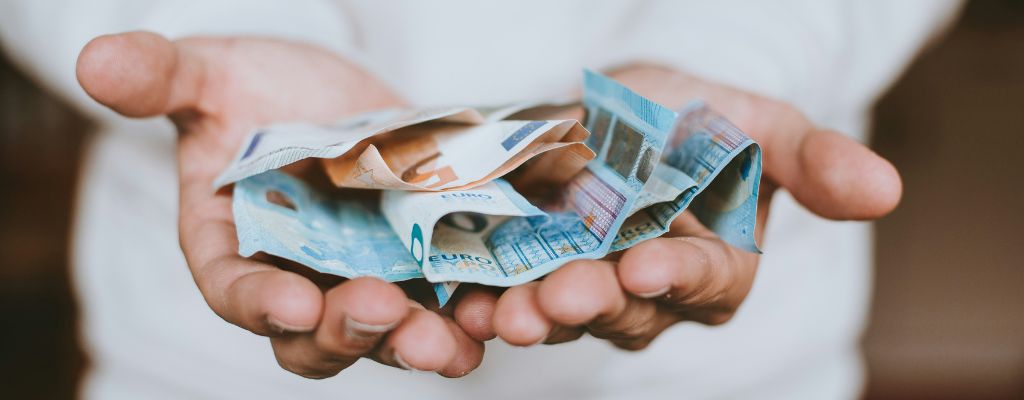
After moving to Belgium nobody was checking if I have enough funds to support myself here. Other non-EU students had to have a certain amount of money in their accounts and could use a fraction each month. That is the law. Even though nobody was checking my financial situation, I tried to be prepared to fund my stay here. I did so by working for a year and saving enough to be able to afford my time in Belgium when I didn’t have any job. If you plan to become an expat, make sure to have a solid financial plan before you leave your home country.
Do I need to open a bank account in the local currency after moving to a new country?
I suppose that it depends, but in my case (moving to Belgium as a student), I was obliged to create a local bank account. People coming here from the eurozone didn’t have to do that. If you don’t have to create a local bank account, it is still a good idea to have a card in the local currency. I recommend using Revolut. If you sign up with this link, I will get a small commission. It doesn’t cost you a thing but supports this blog immensely!
Connecting with the locals is the best way to make the new place a home
5. Connect with Locals
The best way to naturalize in a new country is to have local friends. Probably the easiest way to achieve that is to… date a local. My boyfriend is not Belgian, so I am not speaking first-hand, but I noticed that some of my expat friends who are in relationships with locals have way more Belgian connections. A non-romantic way of meeting locals is usually taking a class. If you’re a lady, I suggest attending women-only events as unfortunately quite often in regular events, you might meet men who are there to find love, not to learn how to paint.
How to naturalize in a new country?
Blending in has a lot to do with your appearance as well. In Belgium, everyone dresses very casually (I wrote more about it here), so if I would show up all dolled up in hills and make up every day, I would automatically become the odd one. The same applies to behavior. If people in your native country are very loud and expressive, but you moved somewhere where folks don’t tend to be so emotional, it might be worth considering toning down a bit as you might be perceived as rude or impolite. Remember, you don’t need to lose your identity and become a different person. It’s just good to have those things in mind.
Learning the local language is veru beneficial, but sometimes you must prioritise your studies.
6. Learn the Language
The best way to naturalize is to speak the local language and I highly encourage you to do so. However, if you are a student and you aren’t sure if you will stay in the country, I recommend focusing on your studies and having the language as a second priority. It is nice to learn a few words, but becoming fluent in a new language is a very time-consuming endeavor and might not be worth the effort.
I was used to eating fries with ketchup, but in Belgium they are eaten with mayo
7. Be adaptable to new customs
In my culture shock post, I shared a story of how I accidentally got accused of a bribe attempt. Those things happen and make funny stories but make it a habit to learn from them and not repeat them. Customs in your new home might seem strange at times, but remember that you are the guest and therefore you should adapt, not the other way around. Be socially competent and open-minded and you’ll find that it will ultimately benefit you.
Try to focus on the bright sides of your new home!
8. Avoid Complaining
This one is very hard for me as a Pole (if you don’t know, the national sport of Poland is complaining). It’s natural to feel frustrated occasionally, but try not to complain, especially to locals. I did it plenty of times after moving here and I truly regret that. Belgium is an awesome country, and I am very grateful for having the opportunity to live and study here. Whenever something is annoying, try to focus on the positives, I’m sure you’ll find many! 😉
Having a support network is important as an expat
9. Build a Support Network
Even if you are having a wonderful time in your new location, there might be days when you feel homesick, lost or just a bit down. It is crucial to have a strong support network to help you during those days. It is not easy to build and takes time, so don’t rush it. Do not force friendships, they will happen naturally. If you are struggling and you don’t have a strong support network yet, consider reaching out to a psychologist. If you are a student, your university most likely offers psychological help for free or at discounted rates.
Finding "your tribe" in a new place is important, you might often find people from your home country be the easiest to befriend
10. Connect with Your Own
I will be brutally honest with you. Usually, the people who will stick around the longest are people from your own country. I am not discouraging you from seeking friendships with individuals from different cultures, I have plenty of friends who have very different backgrounds. But the thing that I have observed through the years is that people tend to clump together based on their nationality. Unfortunately, sometimes you might feel excluded or unwelcome in a group due to your background. In such cases, I advise immediately leaving such groups and seeking new friends, it’s not worth it.
I hope these 10 expat tips prove helpful as you embark on your journey. I found this post very helpful in giving you a great sense of what it means to be an expat. You might also want to check out my post about the 10 things that you should do before moving to a new country. Do you have any other tips? Or maybe you have some questions? Let me know in the comment section.