In this comprehensive 10-step guide, I’ll provide you with crucial tasks to complete before relocating to another country. This article is based mostly on my own experience of moving from Poland to Belgium for studies, but I believe that even if your situation is different, you will find some valuable tips here.
Step 1: Do your research before relocating
I got accepted into plenty of universities for my master’s studies. All the programs were great, but the choice I had to make wasn’t only regarding the programs, but also the countries! After extensive research I chose Belgium. I recommend you read a bit about the countries you are considering moving to. Don’t choose the one that just looks cute or “seems nice”, this is a big decision, and it cannot be treated lightly.
Step 2: Have Enough Funding
I put finances so high up on this list for a reason. I wanted to study in Switzerland. It was my big dream. After reading a bit about the costs of living there I soon realized that there was no way in which I could fund my stay there, so I quickly dropped that idea. You need to be able to afford the move, especially if you are moving to a more expensive country and you don’t have a stable source of income. You can save yourself from plenty of disappointment this way.

Step 3: Gather the necessary documents
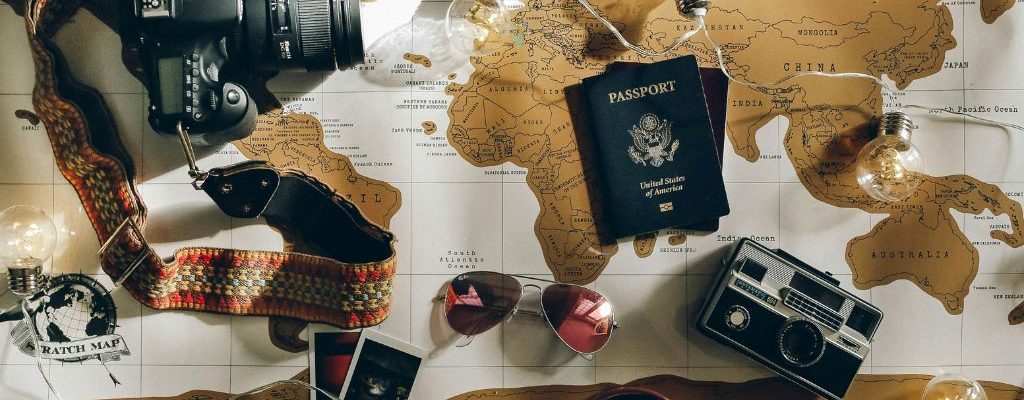
Gather all necessary documents for visa applications and any required after your arrival. If you’re a European moving to another European country, make sure to have an EHIC (European Health Insurance Card), as it makes getting local insurance much easier. I would also recommend bringing your passport. I know that ID is enough to travel within Europe, but you might (1) lose it and therefore need another identification document or (2) suddenly need to travel overseas (what happened to me).
Step 4: Apply for the right visa
I never applied for a visa, so I am no specialist here. But I know that there are tons of different types of visas, so make sure you apply for the correct one. Do it well in advance as I have seen this process take months, depending on where you are originally from.
Step 5: Vaccination
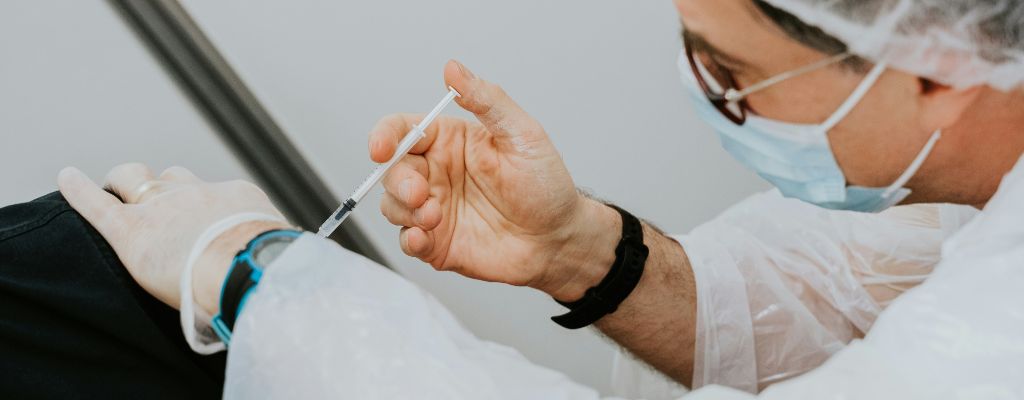
Certain destinations may require vaccinations before your flight, so ensure you’re up to date on any necessary shots. This page talks about the recommended vaccinations before coming to Belgium.

Step 6: Find a place to live
If you come to a country for studies, you need to make sure to secure housing way before your arrival. I live in Leuven, a student city, where it is very challenging to find affordable housing. Once you get your acceptance letter, start applying for dorms. In my case, I applied after the deadline (which was before I got the acceptance letter!). I got a room, but many people were not as fortunate.
Make sure to read your rental contract thoroughly, especially if you’re renting on a private market. You need to understand what is covered by your rent and what is not, as it varies quite dramatically.
It is also good practice to take pictures of the place upon arrival, to have them as proof if needed.
Step 7: Get insurance
There are many types of insurance, the most common being health insurance. Make sure to understand how to apply for one. If you are an EU citizen relocating to another European country, having the EHIC card makes obtaining local insurance faster. In Belgium, it is common to get personal insurance, which I was offered to purchase with my tuition. It is 10 euros per month and covers you in case you destroy someone else’s property, so consider buying it.
Step 8: Understand means of transportation
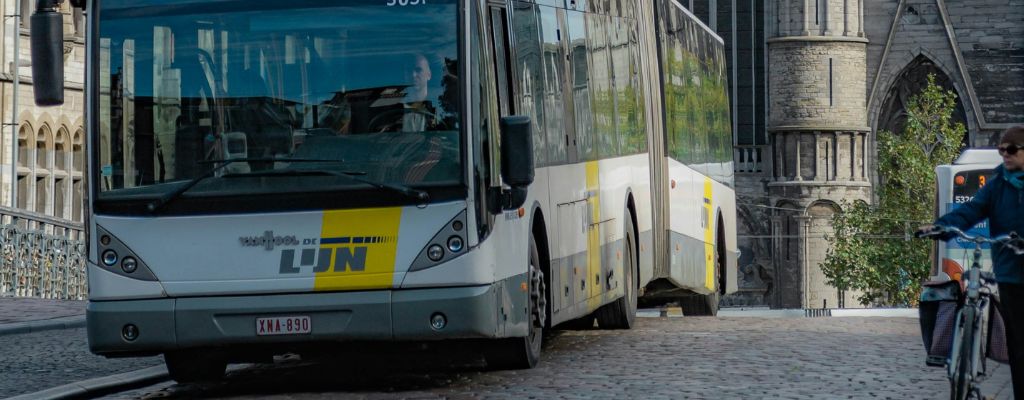
It varies a lot by region. In Belgium, as I already mentioned, bikes are very popular, especially in student cities. Buses are not that reliable, so it was a must for me to purchase a bike upon arrival. It is important to understand the local transportation system as it most likely differs from your home country.
Step 9: Gather important addresses and phone numbers
Embassy: Check where your embassy is located and save its number in your phone.
Emergency numbers: Save the emergency numbers used in your new country in your phone. 112 is the European emergency number.
Home address: Save your new address and contact information of the person managing it. These might come in handy in case you get lost upon arrival and lose our Internet connection. It is also a good idea to share your new address with your close ones in your home country.
Step 10: Get Mobile and Banking Essentials
You will need to get a “regular” package eventually, but I advise you to have a temporary one for the initial week when you will have a lot of things to do and might need internet. I recommend using an eSIM service. I recommend using Airalo, which I’ve used in many countries when traveling and has always worked great for me. If you sign up with this link, we both get $3 to spend via the app!
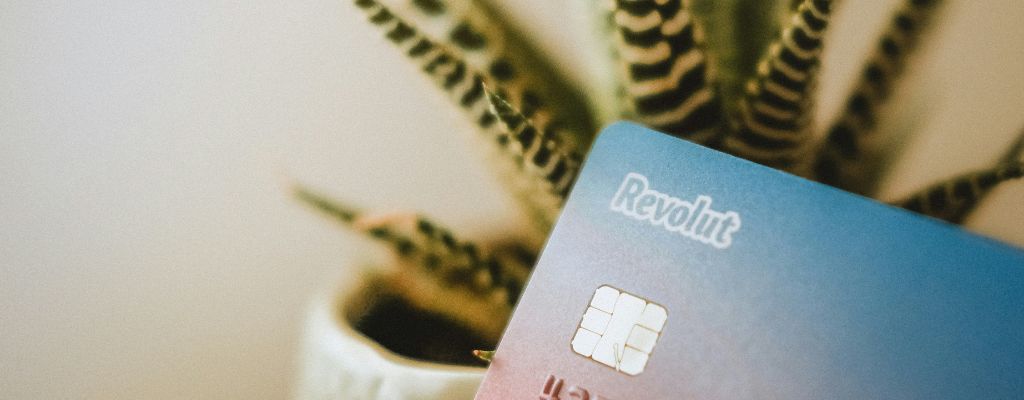
It might be a necessity to create a local bank account (as it was for me). Whether it is or not for you, I recommend creating a bank account in the local currency. I found Revolut to be the best service and I use it whenever I need to use foreign currency. If you sign up with this link, I might get a small commission. It doesn’t cost you a thing but supports this blog immensely, so thank you in advance. 😉
Extra Tips When Relocating
Tip 1: Find a Buddy
My university offers a buddy program, where you get matched with one of the current students and they help you with any questions that you might have. I understand that this might not be the case for you, but you can always find a buddy e.g. via Facebook. I believe all major cities have an expat community Facebook group, and you can quite easily find people willing to help there.
Tip 2: Understand Which Taxes You Need to Pay
If you are moving to another country while working for a company in your home country, you might need to pay some extra taxes, so get familiar with the law.
Tip 3: Tailor Your CV to the Local Market
If you want to seek employment in your new country, try to learn about the CV practices there. E.g. in Poland, it is common to add your picture to the CV, while in the USA it is considered unacceptable and such applications oftentimes get automatically rejected.
Tip 4: Female Traveler Safety Awareness
If you are a female moving alone to a new country it is important to learn what is safe and what is not safe. Europe, in my opinion, can be considered safe. However, in multicultural cities, it is important to keep in mind that people come from many places and unfortunately, some of them tend to mistreat women. I, unfortunately, experienced that first-hand, and thus want to warn other ladies about that.
Let me know in the comment section if you find this TO DO list helpful and if there is anything that you think I should add. In the meantime, you can check my list of essential tips for becoming a good expat.
If you found this post helpful, you can support my blog by buying me an online coffee! ☕️
Until next time,
A.